

Team
Leadership
-
Director
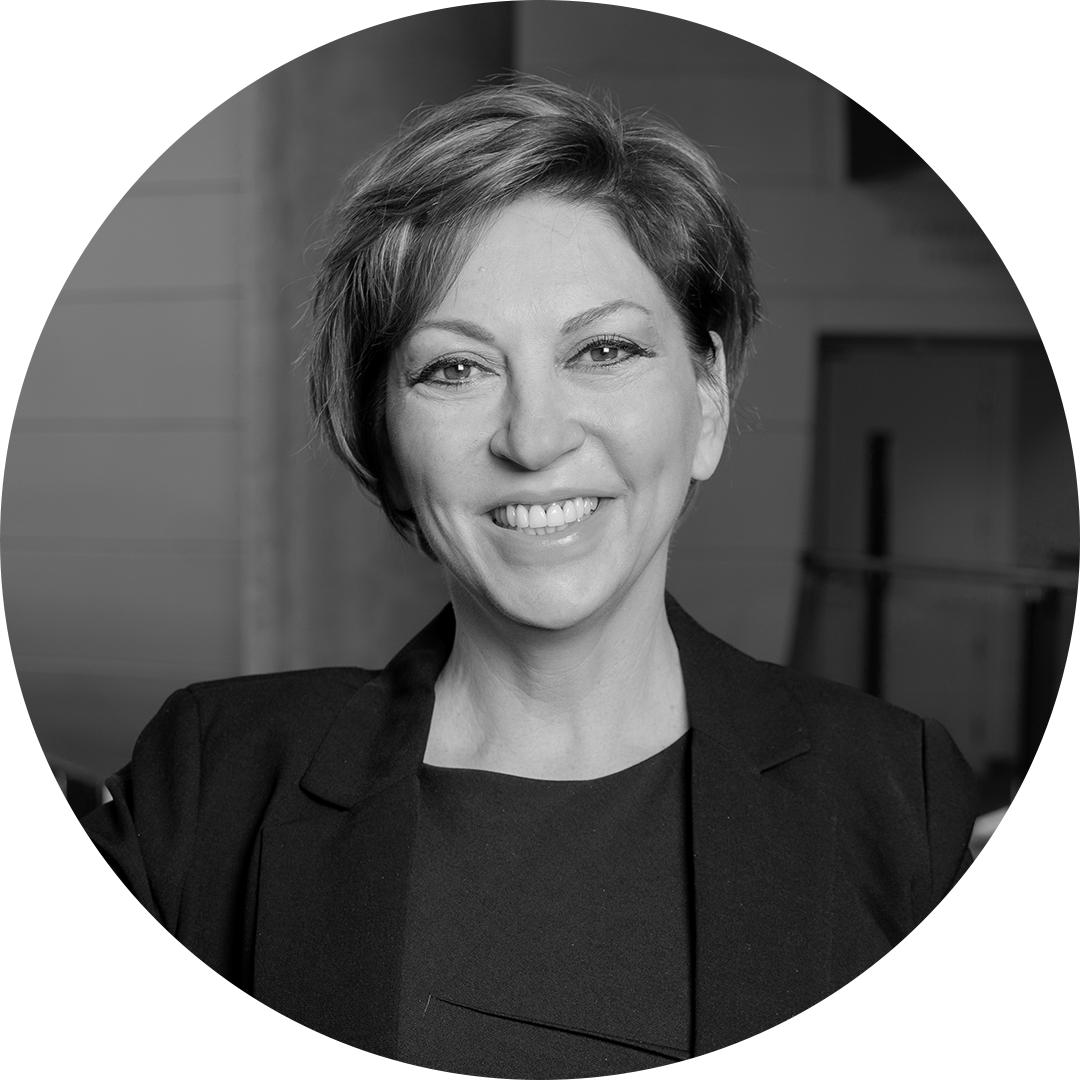
Micheline Piquette-Miller’s research program focuses on exploring the pathophysiological and environmental factors that impact drug disposition, as well as advancing the preclinical development of innovative therapeutics and drug-delivery strategies to improve cancer treatment outcomes. She has published over 140 research articles and has received numerous prestigious national and international research awards. She has held leadership roles for several pharmaceutical and clinical pharmacology scientific societies and previously collaborated with the American Food and Drug Association (FDA) to support updates to industry guidelines on drug-drug interaction studies.
-
Co-director
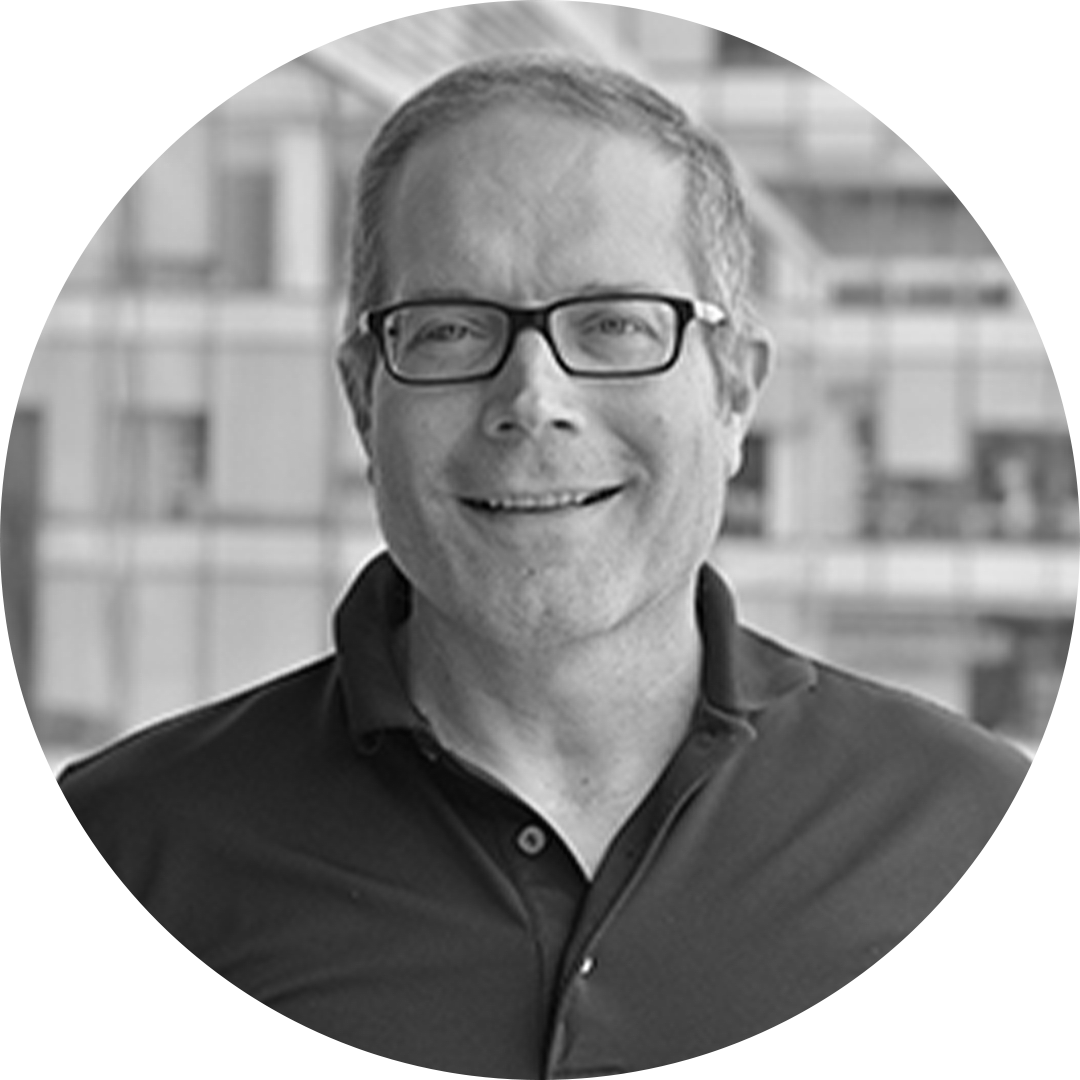
David Uehling works on the discovery of drugs that inhibit cancer growth in cells and kill cancers by precisely targeting tumour vulnerabilities in early stages, as well as developing targeted methods for drug screening. He applies his experience from the pharmaceutical industry to work with academic scientists to explore and advance early-stage research to identify clinical drug candidate molecules. David spent 19 years at GlaxoSmithKline (GSK) pursuing cardiovascular, diabetes and oncology research. There, he led the medicinal chemistry team that discovered the B-Raf inhibitor dabrafenib and the beta-3 agonist solabegron for type 2 diabetes. Uehling currently serves as Interim Scientific Director, Therapeutic Innovation and Drug Discovery at the Ontario Institute for Cancer Research.
-
Senior Operations Manager
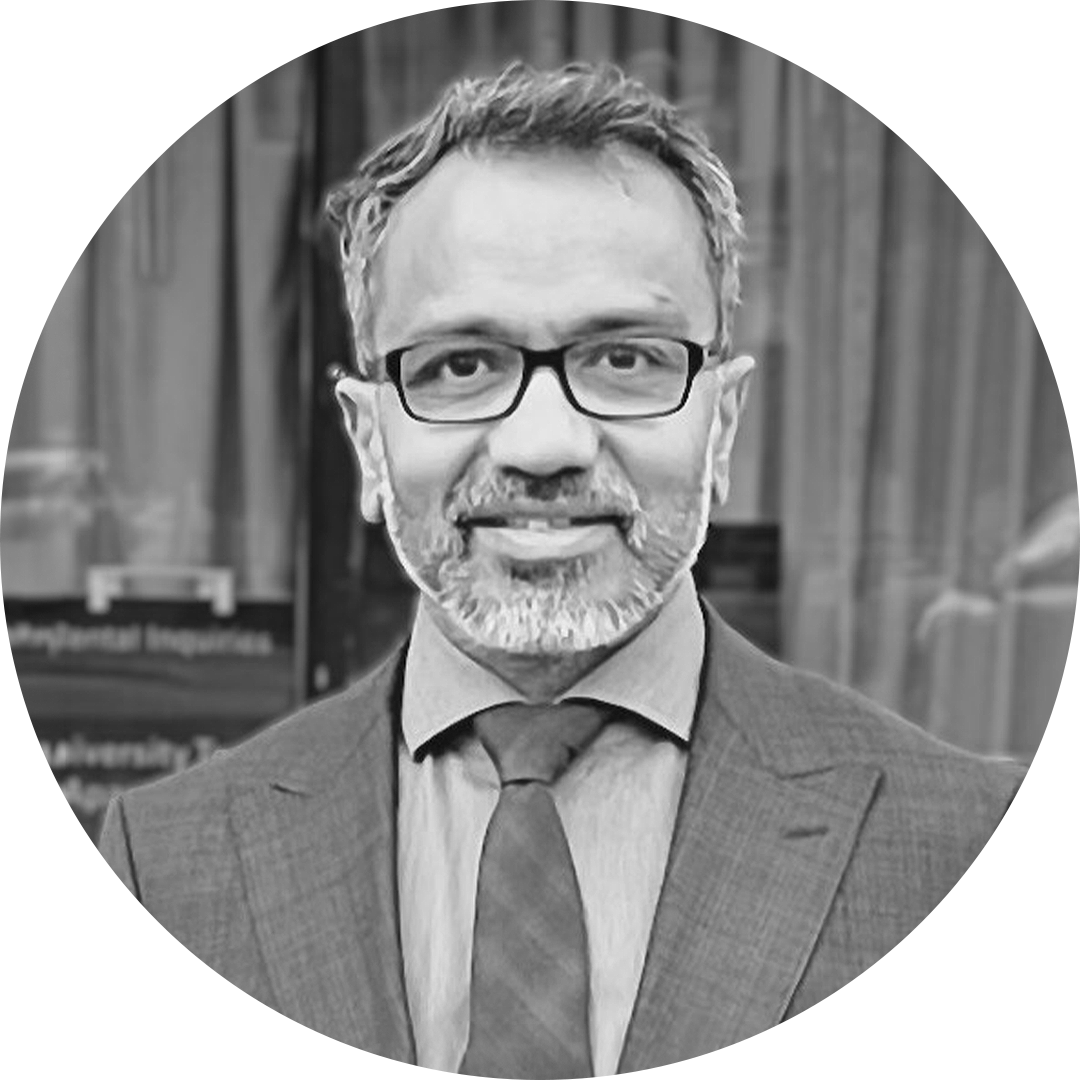
Ahmed Aman is Scientific Advisor and Group Leader of Analytical Chemistry and ADME within the Drug Discovery Program at the Ontario Institute for Cancer Research (OICR), and holds a crossappointment as Assistant Professor at the Leslie Dan Faculty of Pharmacy. He brings over 25 years of experience in analytical chemistry, pharmacokinetics (PK), and ADME (absorption, distribution, metabolism, and excretion). Since joining OICR in 2009, Aman has led a multidisciplinary team focused on preclinical drug metabolism, biodistribution, and biomarker discovery in oncology. His research leverages advanced LC-MS/MS and lipidomics platforms to identify and quantify molecular biomarkers that inform drug exposure, mechanism of action, and disease progression. Aman has authored over 60 peer-reviewed publications and contributed to multiple oncology drug development programs.
Section Leads
-
Analytical Chemistry
-
Nanoformulation
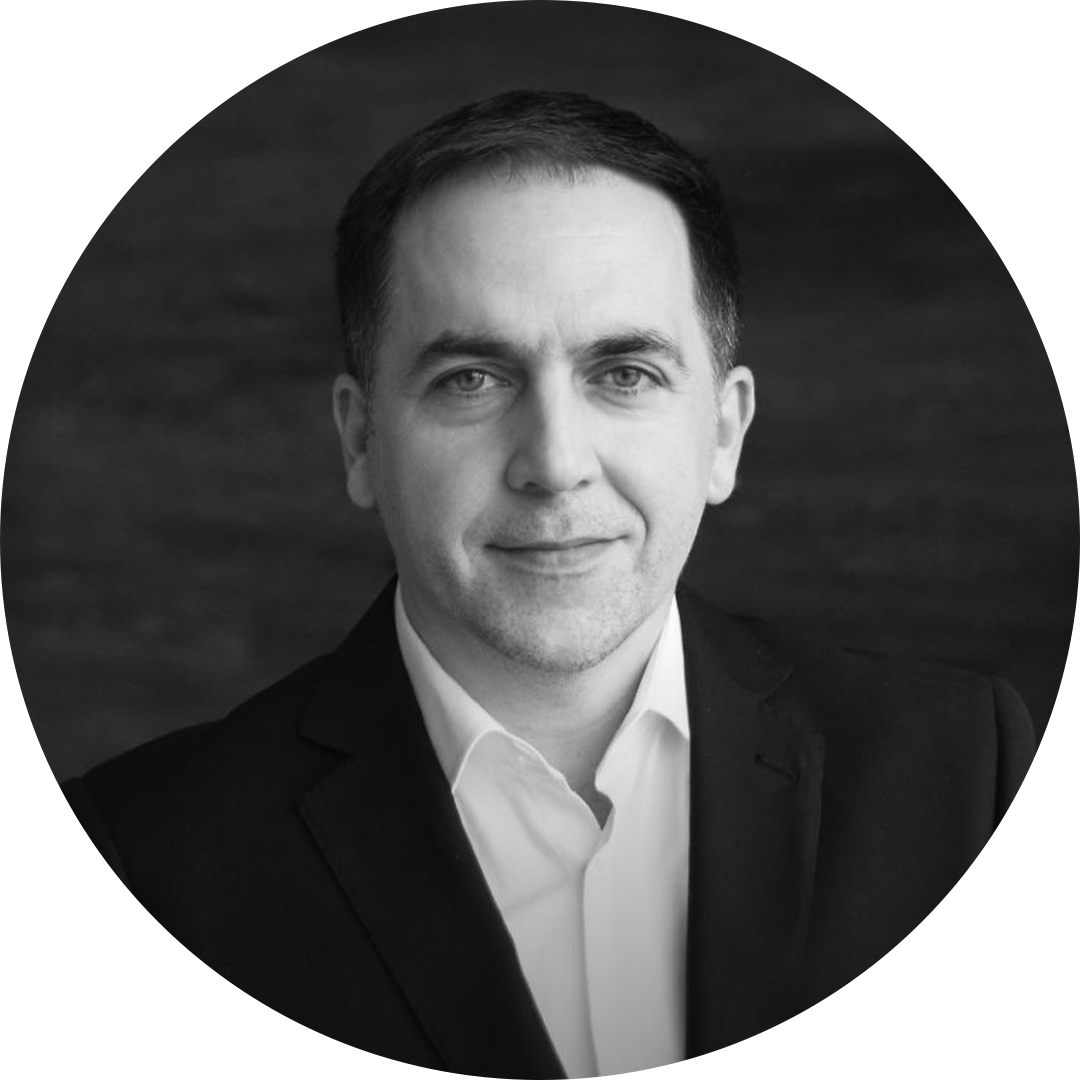
Frantz Le Dévédec is Senior Staff Scientist at the Acceleration Consortium (AC – UofT), where he leads multidisciplinary research on self-driving laboratories (SDL) for pharmaceutical and advanced formulation development across therapeutics and consumer applications. His work focuses on the development of data-driven, integrated high-throughput workflows, incorporating robotics to accelerate drug formulation, preclinical translation, and the performance optimization of industrial materials. Prior to his current role at the AC, Le Dévédec has held research positions at the Leslie Dan Faculty of Pharmacy, Princess Margaret Cancer Centre, and as director of the R&D division at Avicanna for more than six years, where he designed and translated numerous formulations from early stage to commercialization, including the scale-up of purification processes for active ingredients and product manufacturing.

-
Cellular and In vivo Pharmacology
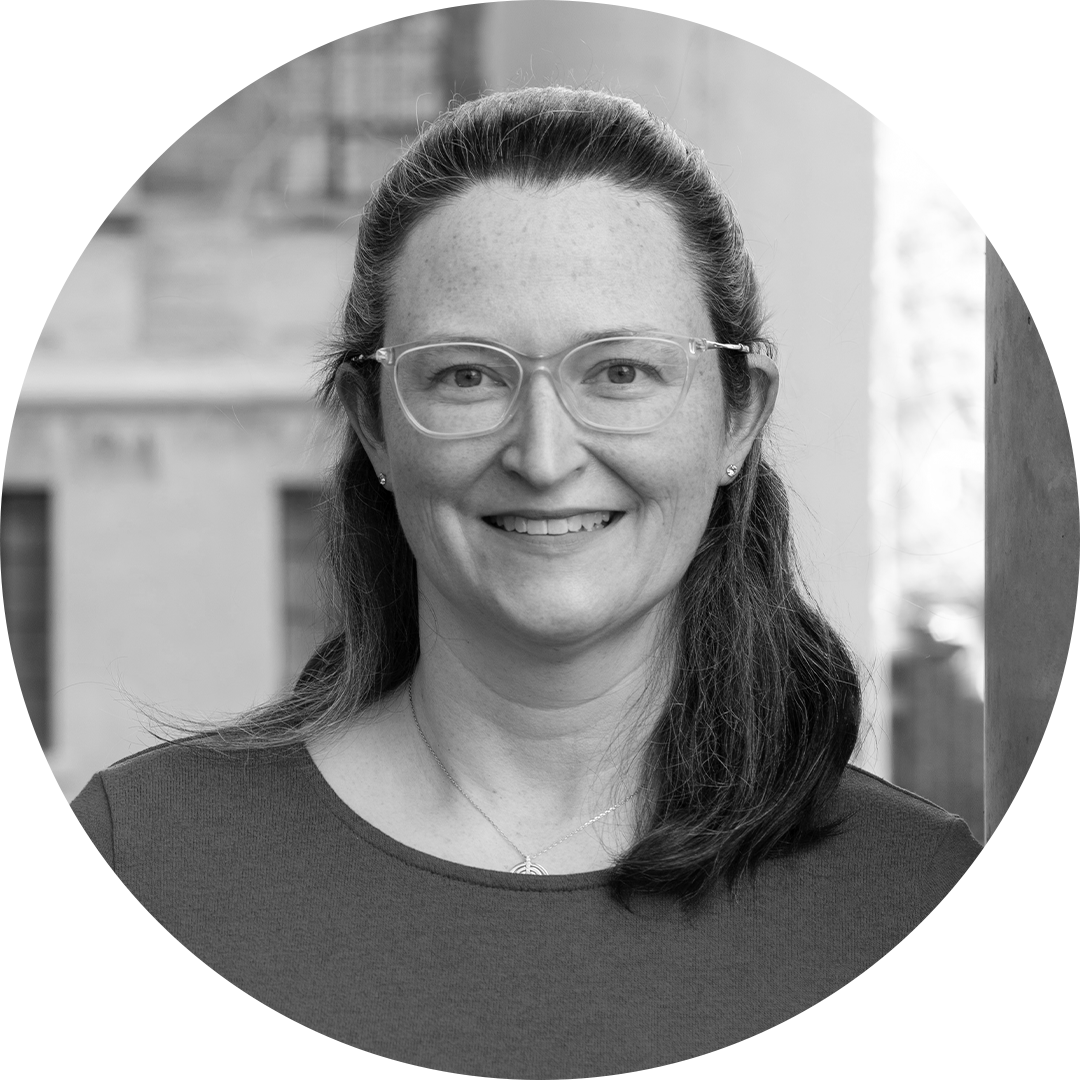
Tim Corson discovers and develops small molecules for eye disease indications. He collaborated on the development of the first drug-like ferrochelatase inhibitor and a novel soluble epoxide hydrolase inhibitor. He also oversaw key enabling experiments leading to clinical trials of a Ref-1 inhibitor. Corson is an inventor on 13 patents licensed to startups and publicly traded companies and has deep experience in de-risking small molecule drug candidates, including target and off-target identification, formulation development, pharmacokinetics, toxicity, and efficacy studies in multiple systems, as well as an understanding of tech transfer and regulatory pathways. Corson’s translational work has been recognized with accolades such as the Watanabe Translational Scholar by the Indiana Clinical and Translational Sciences Institute.
-
Pharmacokinetics
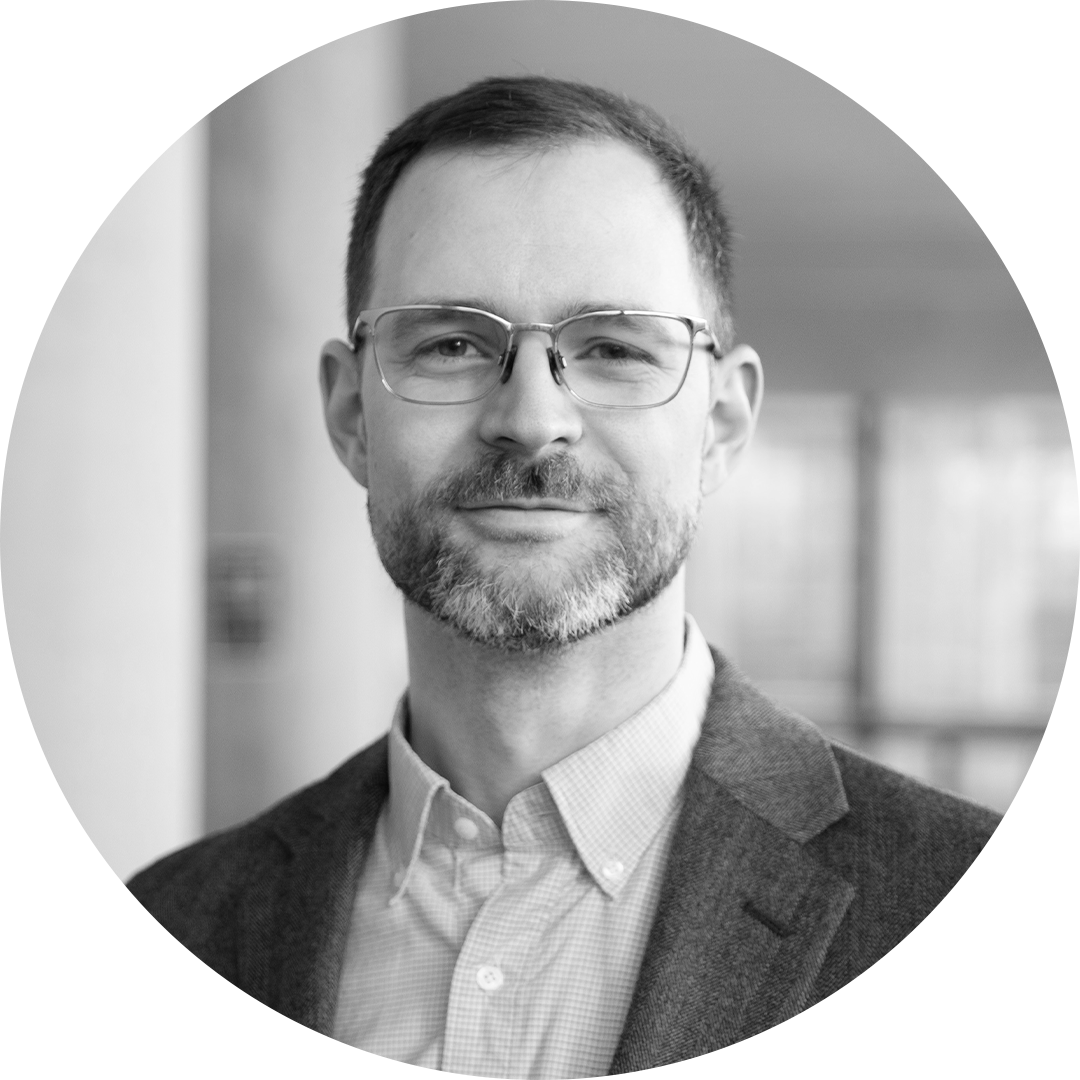
Carolyn Cummins’ research program is interdisciplinary and focuses on the study of nuclear hormone receptors in treating human disease, focusing on drug target validation and early drug discovery. With expertise in pharmacokinetics, analytical chemistry, molecular biology and small animal physiology, her group is exploring the use of LXR beta antagonists as a therapy to prevent metabolic complications of glucocorticoid treatment and has helped develop new multi-targeted PPAR agonists that are effective at reversing diet-induced obesity and diabetes. Cummins is also the Associate Scientific Director of PRiME (the Next-Generation Precision Medicine Initiative) and Associate Professor in the Leslie Dan Faculty of Pharmacy. Cummins is an award-winning teacher and researcher who is passionate about promoting the translation of academic discoveries into practice.
-
Medicinal and Computational Chemistry
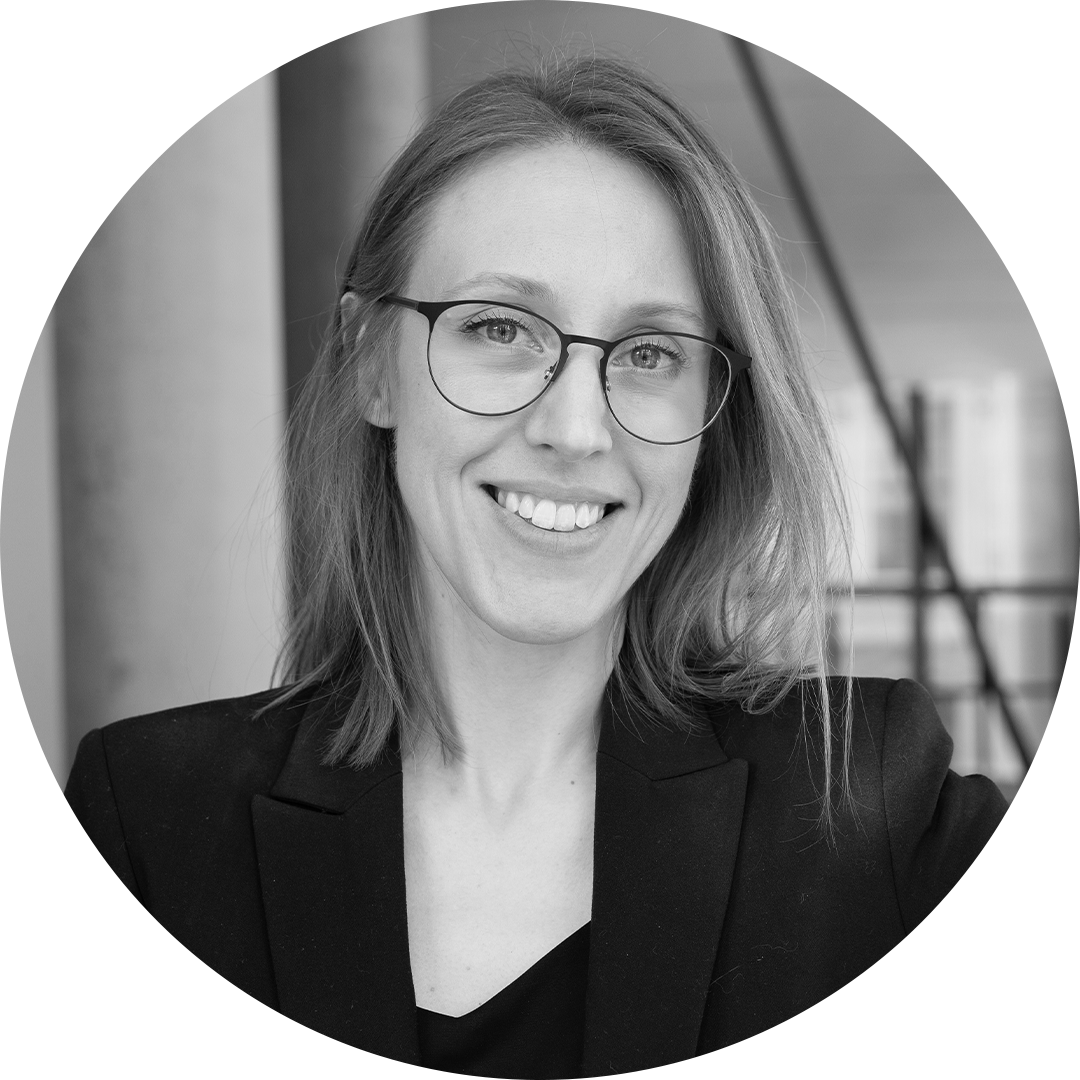
Joseph Brown’s research lives at the intersection of chemistry, biology and machine learning, and is redefining what’s possible in the discovery and development of peptide-based therapeutics. His work looks at molecules that lie between small molecule drugs and proteins, specifically peptides and peptidomimetics. By integrating chemical synthesis and biological testing with machine learning, Brown aims to transform how new medicines are discovered. This includes using “active learning,” a subset of machine learning that directs data collection and experimentation, optimizing drug properties with each round—an efficient means to evaluate an infinite number of possible molecules with promise in drug discovery and development. Brown graduated with his PhD from Cornell University and joined the Pentelute Lab at MIT in 2019, before joining U of T in 2024. He has held a PhRMA Foundation Postdoctoral Fellowship and a National Science Foundation Graduate Research Fellowship.
-
Toxicology
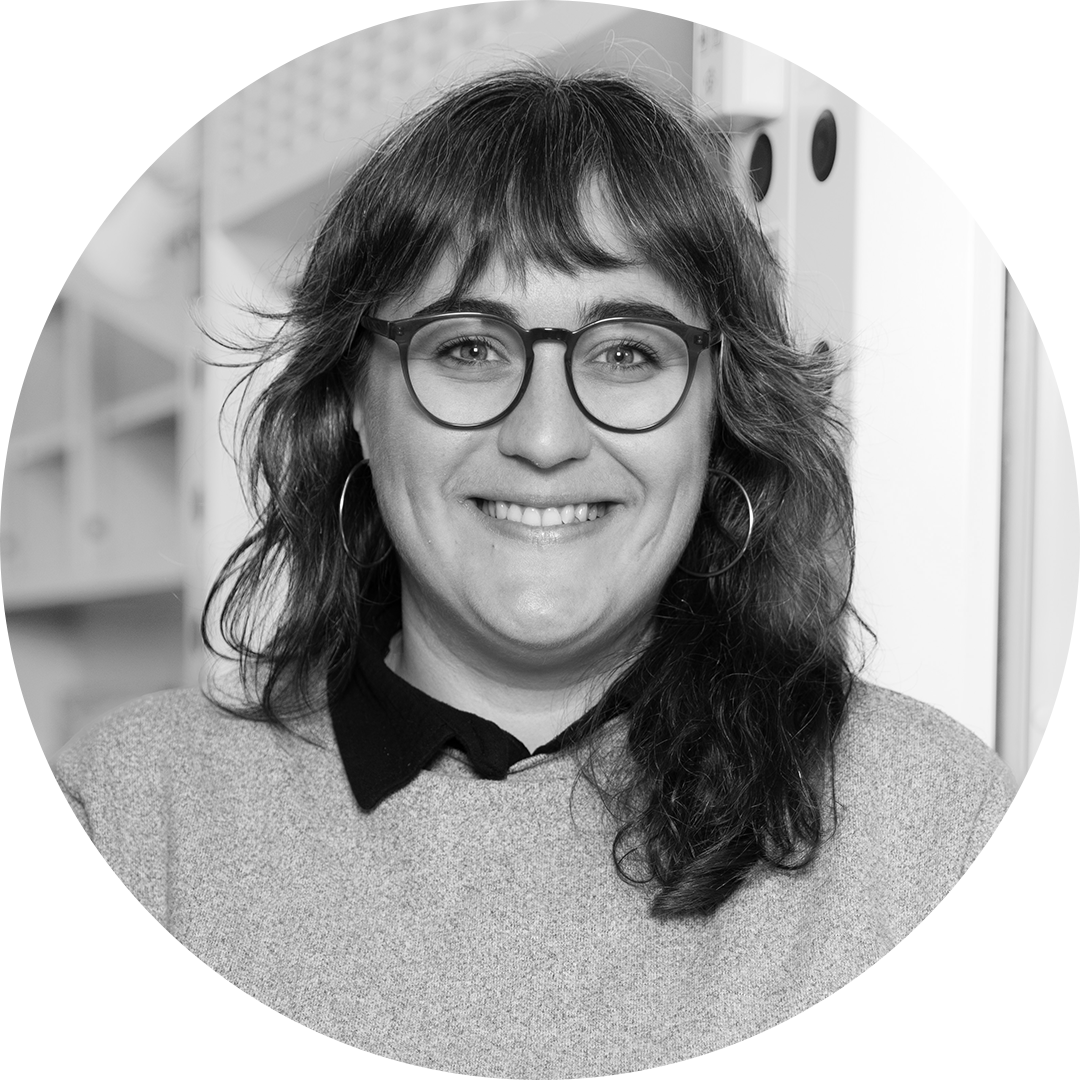
Christina Lamparter’s research in forensic toxicology focuses on addressing the analytical and interpretive challenges associated with novel and emerging psychoactive substances in the unregulated drug market through pharmacological characterization, analytical method development, and retrospective analysis of forensic data. She has numerous collaborative partnerships with forensic laboratories and other government agencies that enable the program to advance translational research and support evidence-based responses to these emerging substances. Lamparter also spent more than nine years as a Forensic Toxicologist with the Centre of Forensic Sciences in Ontario, where she directed testing for drugs, alcohol, and poisons in biological specimens, provided expert testimony for criminal and non-criminal cases, and contributed to the advancement of forensic toxicology practice in Ontario.
-
In vitro Assays
Rachel Harding’s work focuses on developing and applying enabling technologies for early-stage drug discovery, with an emphasis on ligand discovery and development for challenging and understudied proteins relevant to neurodegenerative disease and other areas of unmet therapeutic need. Her lab integrates structural biology, protein chemistry and biophysical methods to generate high-quality molecular insights that drive discovery. An Assistant Professor at U of T with cross-appointments at the Structural Genomics Consortium and the Princess Margaret Cancer Centre, Harding’s team develops scalable and reproducible workflows to accelerate target validation and therapeutic discovery. Her research program, including work on Huntington’s disease, has been recognized with major early-career awards, highlighting the impact of her technology-driven approach in expanding the scope and efficiency of modern drug discovery.
Administration
-
Project Coordinator
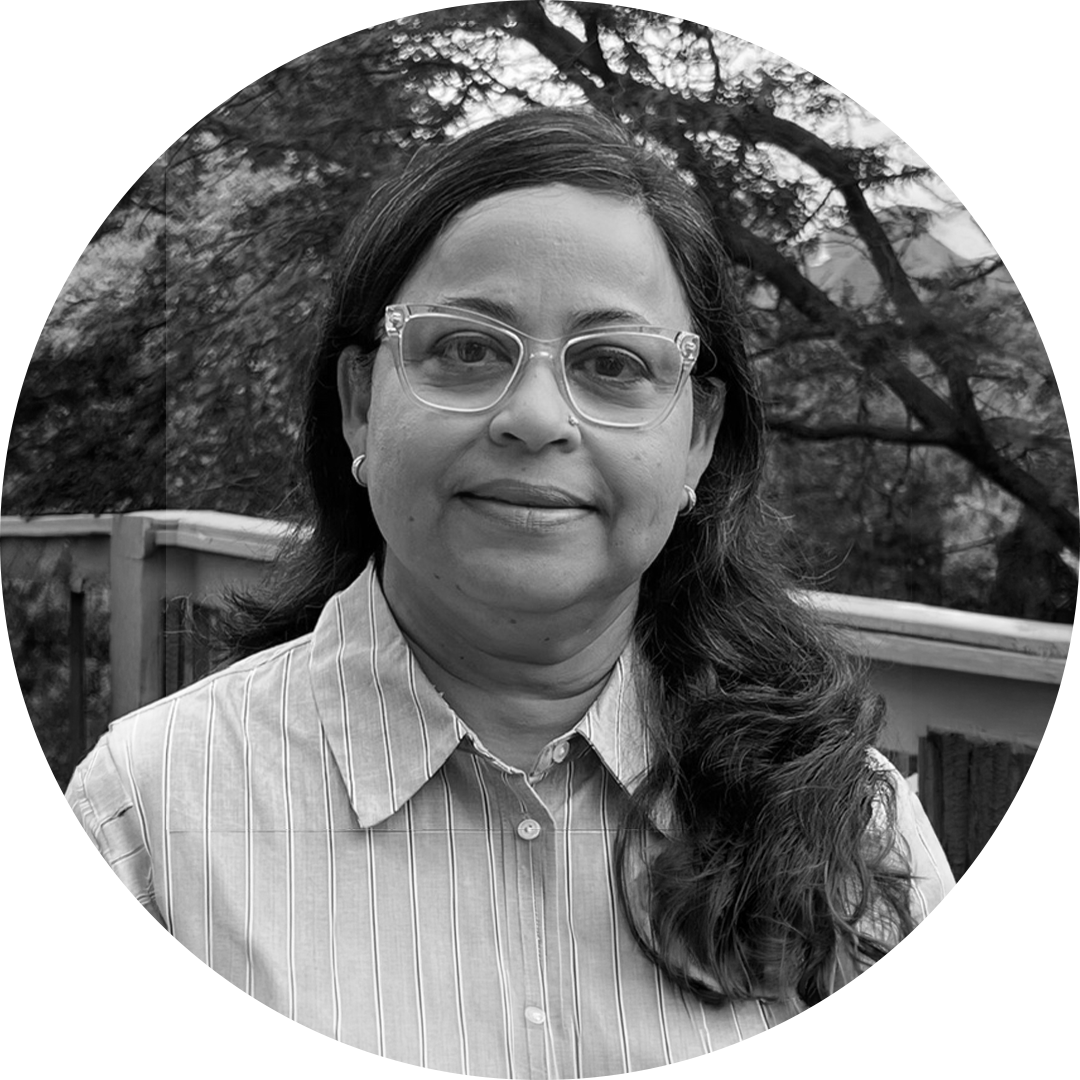
Salma Shirin brings over 20 years of experience spanning industry, contract research organizations, biotech startups, and academic research in early-stage drug discovery. She currently serves as Senior Director, R&D Services at Aryastha Life Sciences, where she leads drug discovery proposal and protocol development in coordination with chemistry synthesis, ADME, biology, toxicology, and CDMO teams, while acting as the primary scientific and operational point of contact for clients. Prior to this role, she served as Associate Director of Preclinical Studies at Praesidia Biotherapeutics, supporting ADME/DMPK programs within a biotech startup environment and supervising a team of scientists. Her career also includes senior scientific and analytical roles at Dalriada Drug Discovery, Bimeda-MTC Animal Health, Exova (Element), Environment Canada, and Siegfried Canada, along with postdoctoral research at McGill University. Shirin holds a PhD in Analytical Chemistry from Queen's University and an MSc and BSc (Honours) in Chemistry from the University of Dhaka. She is passionate about translating research into impact through structured programming, cross-functional partnerships, and innovation ecosystems.
-
Administrator